The New AI Race: The Battle for the Infrastructure of Intelligence
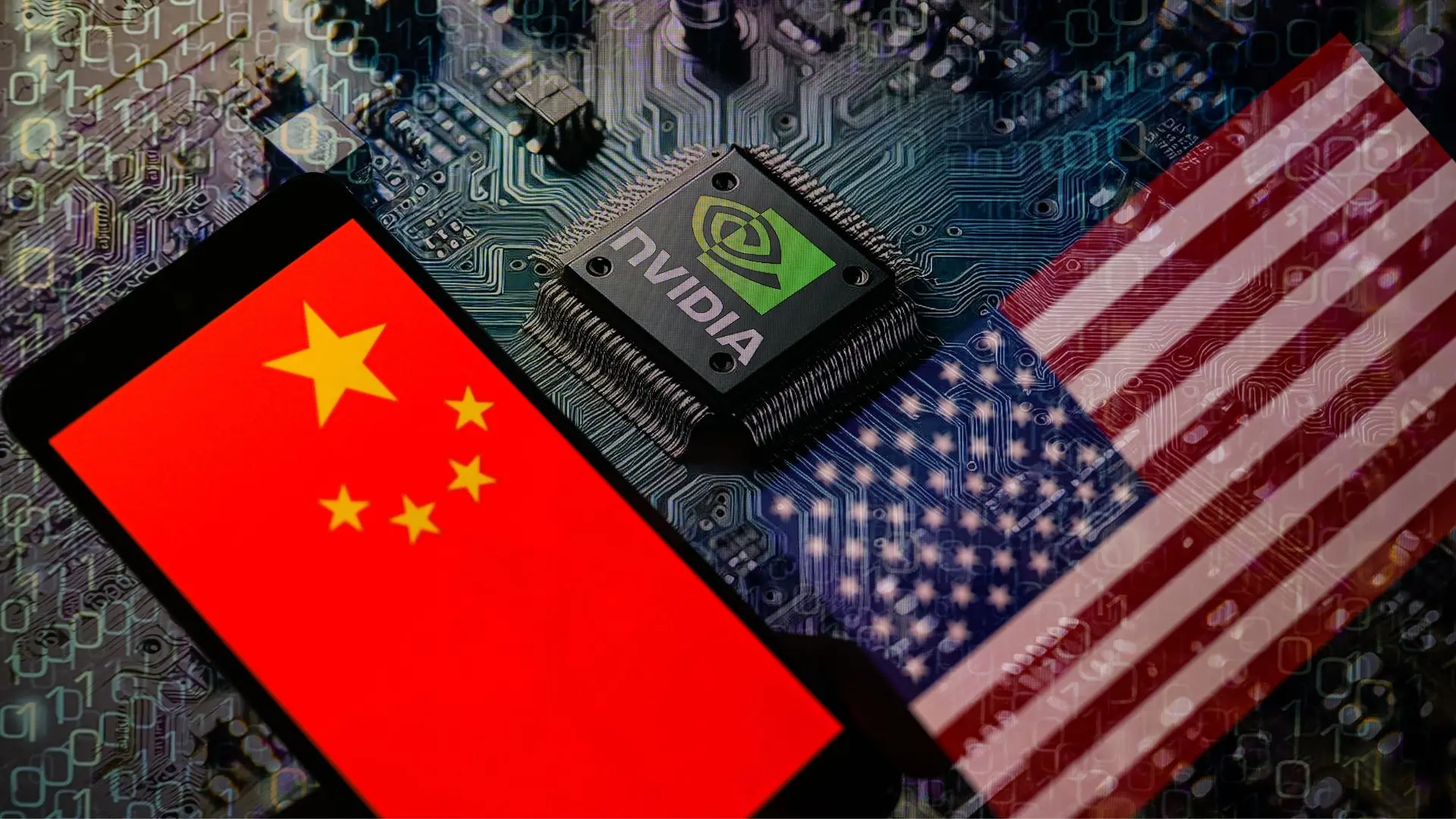
For years, the artificial intelligence race was presented as a competition between models.
Who has the smartest AI? Who can reason better? Who can write better code?
Those questions still matter. But the real competition is moving deeper.
The next AI race is increasingly about chips, computing power, energy, infrastructure and the software ecosystems built around them.
From Chatbots to AI Agents
The first wave of generative AI introduced billions of people to chatbots.
The next wave is different.
AI systems are becoming capable of using tools, writing code, interacting with applications and completing multi-step tasks.
AI is moving from answering questions to doing work.
As AI agents become more autonomous, they require significantly more computing power. That makes efficient inference and scalable infrastructure increasingly important.
The Chip Is Becoming the Battlefield
Training advanced models requires enormous computing power. Running them for millions of users requires even more.
This is why AI chips have become strategically important.
NVIDIA remains one of the central players in this infrastructure race, while companies such as OpenAI are also moving deeper into specialized hardware and inference technology.
The future of AI may depend not only on how intelligent a model is, but on how efficiently that intelligence can be produced and deployed.
The Hidden Cost of Intelligence
Every AI interaction depends on a large infrastructure chain:
Energy → Data Centers → Chips → Networking → Models → Inference → Applications
As AI agents become more active, the demand across this entire chain grows.
Billions of dollars are already flowing into data centers, computing capacity and AI infrastructure.
This creates enormous opportunities — but also raises an important question:
How much infrastructure will the AI economy ultimately need?
Beyond OpenAI vs. DeepSeek
It is tempting to describe the AI race as OpenAI versus DeepSeek.
But the real competition is much bigger.
It involves models, AI agents, chips, cloud infrastructure, energy, capital and distribution.
Open-weight models are also changing the landscape by giving developers more freedom to adapt and deploy AI technology.
The result is an increasingly global competition between entire technological ecosystems.
AI Is Becoming Infrastructure
This may be the most important shift.
AI is gradually becoming less like an application and more like infrastructure.
The internet became infrastructure.
Cloud computing became infrastructure.
AI may follow the same path.
Soon, intelligence may be embedded into software, finance, manufacturing, scientific research, robotics and countless everyday systems.
The chatbot was only the beginning.
The Bigger Question
The next stage of the AI race will not be decided by one spectacular model release.
It will be decided by thousands of smaller battles:
Who can build cheaper inference?
Who can manufacture better chips?
Who can secure enough energy?
Who can build efficient data centers?
Who can create the most capable AI agents?
And who can turn these capabilities into profitable businesses?
The companies that win may not simply be the ones with the smartest AI.
They may be the ones that make intelligence cheap, scalable, accessible and impossible to ignore.
Because the next great technology platform may not be an application.
It may be intelligence itself.